Modern construction and strong infrastructure increasingly use weathering steel to solve longstanding rust issues while providing a unique aesthetic. Corten steel sheet metal has emerged as an essential material for engineers and designers requiring durability in harsh outdoor environments without the need for regular repainting. This alloy forms a constant, protective rust layer that effectively prevents deeper corrosion from damaging the metal. With the increasing global emphasis on sustainable construction, the need for durable, low-maintenance external cladding and structural components is escalating. This blog covers the technical chemical makeup, mechanical properties, and diverse industrial uses of this unique steel. We also explore why choosing the right corten steel sheet supplier is vital for ensuring project longevity and structural safety.
What Is Corten Steel Sheet Metal?
Corten steel sheet metal is a group of steel alloys designed to eliminate the need for standard painting by forming a stable, rust-like appearance after years of exposure to the elements. Often called weathering steel, it creates a dense protective oxide layer, or patina, that seals the base metal and prevents further atmospheric attack. The chemical composition typically includes specific amounts of copper, chromium, nickel, and phosphorus, which work together to trigger this regeneration of the surface layer. Most industries distinguish between Corten A, which is higher in phosphorus and better for aesthetic and thin-sheet uses, and Corten B, which is better for heavy-weight structural loads. Unlike regular carbon steel that flakes away when it rusts, this material stays intact and maintains its thickness over decades.
Key Properties of Corten Steel Sheets
A corten steel sheet offers a specific set of technical traits that make it stand out from standard structural grades. These properties ensure it handles weight and weather simultaneously.
- Atmospheric corrosion resistance
The alloy reacts with moisture and oxygen to form a barrier. This layer slows down the rate of oxidation significantly compared to untreated mild steel.
- High tensile strength
These sheets can carry heavy loads and are strong enough to be used in bridges and large buildings where safety is critical.
- Durability in outdoor environments
The material thrives in alternating wet and dry cycles. This makes it ideal for regions with varying weather patterns where other metals might fail quickly.
- Low maintenance requirements
Because the rust layer is the protection, there is no need for primers or topcoats. This saves significant labour costs over the life of the structure.
- Structural integrity over time
The metal does not lose its thickness or strength as the patina forms. It remains solid and dependable even after thirty or forty years of exposure.
- Aesthetic appeal
The deep orange and brown earthy tones provide a natural look. Architects value this texture for modern industrial designs and public art installations.
Chemical Composition and Mechanical Characteristics
The performance of corten steel sheet metal depends entirely on its precise chemical makeup. Small additions of copper and chromium are the primary drivers behind the weather resistance, creating the “tight” rust layer that stays attached to the steel. Mechanically, these sheets usually fall within a tensile strength range of 485 to 630 MPa, with yield strengths starting around 345 MPa, depending on the specific grade. Impact resistance remains high even in cold temperatures, which is why the material works well for shipping containers and railway cars. Weldability is excellent, though fabricators must use specific filler metals to match the colour and corrosion properties of the base metal. This ensures the joints don’t rust faster than the rest of the sheet.
Benefits of Using Corten Steel Sheet Metal
Using a corten steel sheet provides both financial and environmental advantages for large-scale projects. It simplifies the construction process and the long-term care of the asset.
- Eliminates the need for painting
Since the steel protects itself, the environmental impact of Volatile Organic Compounds (VOCs) from paint is removed. This also speeds up the initial installation time.
- Long lifespan in exposed conditions
The material is built to last for many decades. It resists the thinning and pitting that usually kills off standard steel plates in rainy climates.
- Sustainable and eco-friendly
These sheets are 100% recyclable at the end of their life. The lack of toxic paint coatings makes them a much greener choice for modern building certifications.
- Cost-effective over time
While the upfront price might be higher than mild steel, the total cost of ownership is lower. You save money by never having to sandblast or repaint the surface.
- Unique architectural finish
The colour of the steel changes as it ages. It transitions from a light orange to a dark, textured brown, creating a living facade that matures with the building.
- Reduced maintenance costs
Periodic inspections are usually all that is needed. There is no worry about paint peeling, bubbling, or cracking, which reduces the need for specialised repair crews.
Applications of Corten Steel Sheet Metal
Because of its versatility, corten steel sheet metal is found in everything from heavy shipping sectors to delicate garden designs.
- Architectural Facades
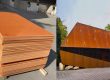
In the construction world, exterior cladding made from these sheets is highly popular for its rugged look. Decorative panels with laser-cut patterns allow light to pass through while providing a durable skin for high-rise buildings and museums.
- Landscaping & Outdoor Structures
Landscape designers use corten steel sheets for garden edging because it blends into the soil and plants perfectly. It is also the preferred material for heavy-duty planters and large-scale public sculptures that must stay outdoors year-round.
- Bridges & Infrastructure
Many highway bridges use this steel for main structural components to avoid the massive cost of repainting over rivers or busy roads. It is also widely used in the manufacturing of railway wagons and ore carriers.
- Industrial Applications
In industrial settings, the material is used for storage tanks and chimneys where high temperatures and sulfurous gases are present. Shipping containers almost exclusively use this steel to survive the salty, humid conditions of ocean travel.
Corten Steel vs Regular Carbon Steel
It is helpful to compare a corten steel sheet to regular carbon steel to understand why the former is often a better investment for outdoor use.
- Corrosion resistance comparison
Corten steel forms a protective layer that stops rust from eating through the metal. Regular carbon steel continues to rust until the material eventually fails or disappears.
- Maintenance requirements
Corten steel requires almost zero care once installed. Regular carbon steel must be painted, galvanised, or coated regularly to prevent total structural failure.
- Lifespan differences
In most outdoor settings, weathering steel can last four to eight times longer than untreated carbon steel. This makes it much more reliable for permanent infrastructure.
- Cost considerations
Corten steel is more expensive to buy initially. However, regular carbon steel becomes more expensive over time due to the recurring costs of paint and repairs.
Standards and Specifications
Every trusted corten steel sheet manufacturer must adhere to strong global standards to ensure the alloy operates as planned. The most popular standard is ASTM A588, which specifies high-strength structural forms and plates. ASTM A242 is a common specification for thinner sheets. In Europe, the standard is EN 10025 S355J2W, which specifies weather-resistant qualities for structural steels. These requirements specify the exact amount of copper and chromium required to identify the metal as weathering steel. Thicknesses can range from 1.5mm to more than 50mm, with tolerances rigorously controlled to ensure the sheets fit together precisely throughout construction.
Choosing the Right Corten Steel Sheet Manufacturer
Finding a reliable corten steel sheet manufacturer means checking for quality certifications like ISO and Mill Test Certificates (MTC). A good manufacturer should also offer many thicknesses and sizes to match your project needs. Many buyers also look for custom cutting services, such as plasma or laser cutting, to get ready-to-use parts. Export capability is another factor, as high-quality weathering steel is often shipped globally for major infrastructure projects. Working with a dependable corten steel sheet supplier ensures that the chemical balance is correct, so the patina forms evenly and the steel reaches its full lifespan.
Conclusion
Corten steel sheet metal offers a perfect balance of rugged strength and natural beauty. Its ability to protect itself from the elements while providing a high-tensile structural base makes it a top choice for architects and industrial engineers. By removing the need for paint and frequent upkeep, it serves as a cost-effective and sustainable solution for the modern world. Sourcing these materials from a certified corten steel sheet manufacturer is the only way to guarantee the metal will age correctly and stay strong for years.