

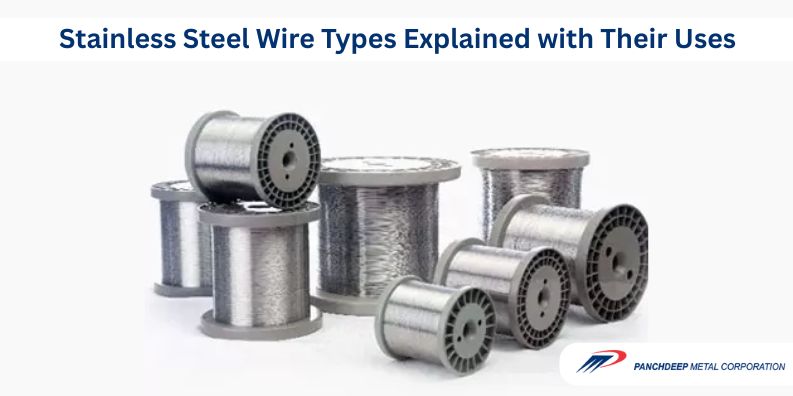
There has been a significant increase in the need for materials that can handle heavy loads and not rust. Stainless steel wire is one of the best materials for both industrial and everyday use. This wire is everywhere, from holding up a bridge to serving as a small part of a medical device. Because there are so many different types, knowing which one to pick can be tricky. This guide will break down the various types of Stainless Steel Wire and explain where they work best, helping you make the right choice for your next project.
What Is Stainless Steel Wire?
At its core, stainless steel wire is a slim, flexible rod of metal made from an iron alloy. What makes it “stainless” is the addition of chromium. When chromium meets oxygen, it forms a thin, invisible layer on the surface that blocks rust. Other elements like nickel or molybdenum are often added to make the wire stronger or more resistant to heat.
The manufacturing process starts with a thick metal rod. This rod is pulled through smaller and smaller holes, a process called “drawing,” until it reaches the desired thickness. Depending on how it is treated, the wire can end up very stiff or quite soft. The result is a product known for its long life, clean look, and ability to handle harsh chemicals without falling apart.
Common Grades of Stainless Steel Wire
Not all steel is created equal. The “grade” tells you exactly what is inside the metal and what it can handle.
- SS 304 wire: This is the most popular grade. It offers a great balance of price and strength. It resists rust well in most normal settings, making it the go-to for kitchen tools and screws.
- SS 316 wire: This grade contains molybdenum. This extra ingredient helps it fight off damage from salt and harsh chemicals. If you are working near the ocean or in a chemical plant, this is the one you need.
- SS 310 and 321 wire: These are the “heat seekers.” They stay strong even when things get incredibly hot. You will find them inside engines or industrial furnaces where other metals would melt or warp.
Why grade matters: Picking the wrong grade can lead to early rust or mechanical failure. Matching the grade to your environment saves money and keeps people safe.
Types of Stainless Steel Wire
Beyond the chemical mix, the way the wire is finished determines its physical “personality.”
- Soft stainless steel wire: This type is easy to bend by hand. It is perfect for tying things together or creating complex shapes without the metal snapping back.
- Spring stainless steel wire: As the name suggests, this wire is bouncy. It has high tensile strength, meaning it can be pulled or pushed and will return to its original shape.
- Annealed stainless steel wire: During making, this wire is heated and cooled slowly. This makes it much easier to cut and form, which is great for weaving mesh or making baskets.
- Electropolished wire: This wire goes through a chemical bath that makes it ultra-smooth and shiny. It is very hygienic because dirt has nowhere to hide, making it a favorite for hospitals.
- Fine wire and micro wire: These are thinner than a human hair. They are used in high-tech sensors, electronics, and tiny medical tools where precision is everything.
Surface Finishes of Stainless Steel Wire
The look of the wire often tells you how it will perform in the field.
- Bright finish: This is shiny and smooth. It looks great and is easy to clean, which is why you see it on consumer goods and jewellery.
- Matte finish: This has a dull, gray look. It is often used when the appearance doesn’t matter as much as the function, or when you need a surface that holds lubricants better.
- Coated and pickled wire: Acid was used to clean pickled wire and clear of scales. During manufacturing, coated wires might have a layer of copper or soap on them to make them easier to move through machines.
- Impact on performance: A smooth finish doesn’t just look better; it also resists rust better because there are fewer tiny pits where moisture can sit.
Key Properties of Stainless Steel Wire
Why do industries keep coming back to this material? It boils down to a few key traits.
- High tensile strength: It can hold a lot of weight without breaking. This makes it reliable for lifting and hanging heavy objects.
- Excellent corrosion and oxidation resistance: It doesn’t turn into a pile of rust when it gets wet or sits out in the rain. It stays shiny and strong for years.
- Good ductility and formability: You can bend it, twist it, or flatten it without it cracking. This allows designers to create very complex parts.
- Temperature and chemical resistance: Whether it is freezing cold or boiling hot, or splashed with cleaning acids, the wire keeps its integrity.
Industrial Uses of Stainless Steel Wire
This wire is used in almost every part of the economy as it is so strong.
- Construction and architectural applications: In construction and architecture, it is used for safety cables, wire mesh for concrete and decorative railings on modern buildings.
- Automotive and transportation components: Cars use this wire for springs, hose clamps, and even the frames of windshield wipers.
- Medical and pharmaceutical equipment: From surgical staples to dental braces, the clean and safe nature of the metal is vital for health.
- Food processing and packaging: Since it doesn’t leak chemicals into food, it is used for conveyor belts, whisks, and industrial grills.
- Electrical and industrial machinery: It works as heating elements, filters, and high-strength fasteners in heavy equipment.
Choosing the Right Stainless Steel Wire Supplier
Finding the right material is part of the process. You also need to find a partner who knows the metal well. A top-tier stainless steel wire manufacturer will provide more than just a roll of metal.
You should look for a stainless steel wire supplier that offers full material certifications. This proves the metal is actually the grade they claim it is. Good suppliers run strict tests to check for strength and size accuracy. They should also offer custom diameters so you get exactly what your machine needs, rather than “close enough.”
Working with Panchdeep Metal Cooperation, a reliable stainless steel wire supplier and manufacturer, ensures consistent quality and dependable performance. Having an expert partner means you won’t have to worry about the wire snapping or rusting unexpectedly.
Conclusion
Stainless steel wire is important for various applications. From the 304 grade used in your kitchen to the high-heat 310 grade in jet engines, these wires keep our world running smoothly. By choosing the right type—whether it’s a flexible soft wire or a bouncy spring wire—you ensure your project lasts for a long time. Remember that the finish and the grade are just as important as the thickness. Using high-quality metal from the start prevents costly repairs and replacements later.
