

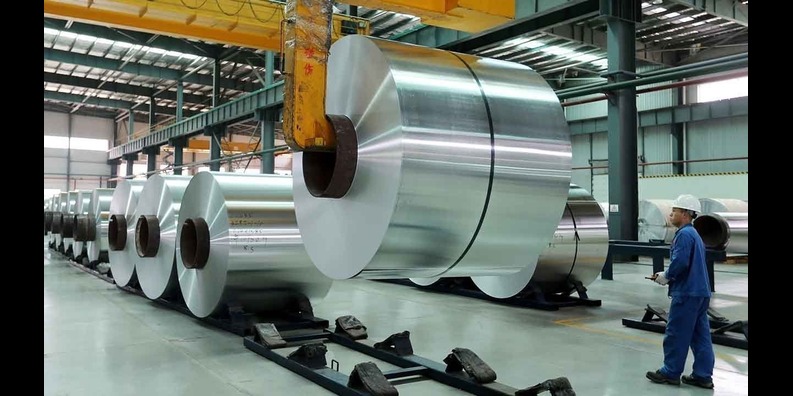
Steel coils are crucial in many industries because they are strong, malleable, and can be formed into various shapes, ensuring consistent performance. In the automotive sector, they are worth even more. Steel coils help vehicle companies make parts that can handle stress, heat, pressure, and everyday use. This blog post talks about the different types of steel coils used in automotive production and why they are still an important material in the industry.
Types of Steel Coils Used in Automotive Manufacturing
Hot-Rolled Steel Coils
The surface of hot-rolled coils is rougher, which makes them easier to shape. They are good at heavy shaping, so they are good for parts of the chassis, wheel rims, and other structural parts. Because they are strong and easy to work with, they are perfect for parts that are always under load.
Cold-Rolled Steel Coils
Cold-rolled coils offer a smoother finish and precise thickness control. They provide the refined surface quality needed for exterior automotive panels such as doors, hoods, fenders, and roofs—especially where clean painting and surface appearance matter.
Stainless Steel Coils
Stainless steel coils resist rust and heat. Their stable performance under high temperatures makes them suitable for engine parts, exhaust parts, trims, and other components exposed to moisture or heat. They support long-term durability in demanding areas of a vehicle.
Specialty Steel Coils
Grades like 409L and 436L are common in exhaust systems. They handle heat, vibration, and corrosion better than regular grades. These coils are used in silencers, catalytic converters, and pipes that must last for years under harsh conditions.
Major Applications of Steel Coils in Automotive Manufacturing
Car Body Components
Many automotive body parts come from stamped steel coil sheets. These include panels, roofs, trunks, doors, and fenders. Cold-rolled coils help create smooth surfaces that shape well and allow even paint coats.
Chassis and Frame Parts
The chassis is the backbone of any vehicle. Hot-rolled steel coils help form strong frame rails, cross members, and support beams. These parts must carry weight and handle impacts, so reliability matters.
Engine Parts
Steel coils are used to make engine components that face heat and pressure. Their strength helps the engine run well under load. The coils are shaped into brackets, shields, and covers that must stay stable even at high temperatures.
Exhaust System Pipes and Silencers
Exhaust systems face heat, moisture, and road salts. Stainless steel coils help create pipes and silencers that resist corrosion. Grades like 409L are common because they keep their strength even after long exposure to heat.
Suspension Components
Suspension systems rely on strong metal parts to handle shocks and bumps. Steel coils give the needed strength for control arms, brackets, and related components. They help the vehicle stay stable on rough roads.
Transmission Parts
Transmission systems need precision parts to support smooth gear shifts. Cold-rolled coils offer the accuracy and surface finish needed for these items. They help form plates and housings that must maintain tight tolerances.
Wheels, Rims, and Brake Parts
Steel coils support the manufacturing of wheel rims, brake drums, and other safety parts. Their strength and toughness make them ideal for areas where failure is not an option.
Advantages of Using Steel Coils in Automotive Manufacturing
Steel coils provide several practical benefits for automotive makers:
- They offer a strong strength-to-weight ratio, which improves safety and helps with fuel efficiency.
- They handle pressure, heat, and impact without losing performance.
- Stainless grades resist rust, so many parts last longer.
- Coil-fed stamping allows fast and precise shaping, lowering waste.
- Smooth coil surfaces improve paint quality and overall finish.
- These advantages help manufacturers meet high safety and quality standards.
Emerging Trends and Innovations
Steel coils now support new needs in the shift toward clean and efficient vehicles. Electric vehicles use steel coils for battery cases, motor housings, and cooling parts. Producers are also working on cleaner, stronger steel that meets strict emission rules. Lightweight but strong coil grades are in demand because they help cut vehicle weight without reducing safety.
Conclusion
Steel coils support almost every area of automotive manufacturing. They shape automotive bodies, strengthen frames, protect engines, and help build safe and durable parts. New coil grades and designs continue to help automotive manufacturers reach higher standards in safety, strength, and fuel efficiency. As vehicles change, steel coils remain one of the core materials that keep the industry moving forward.


