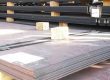
Corten steel or weathering/CORTEN steel has been a favourite material for numerous projects in the last few years. Its distinct look and long durability even in harsh weather conditions have made it a favourite among architects, designers, and homeowners. In this blog, we’ll explore that there are numerous ways to use corten steel and its advantages.
What Is Corten Steel?
Corten steel is an alloy steel, which is strong and low-alloy. Corten steel corrodes when placed in atmospheric conditions. The rust layer also serves as a protective coating that prevents the steel from rusting any further. This special feature renders it a favoured material for roofing, outdoor sculptures, and facades of buildings.
Applications Of Corten Steel:
Corten steel is now used in numerous projects because of its unique and distinct look. Its natural rusted surface provides a unique texture and character to any space, making it a popular choice among architects and interior designers. Corten steel is also a widely used material for outdoor sculptures, as it has a rugged and natural look that would go well with outdoor settings. Other common applications of corten steel are for exterior cladding, bridges, retaining walls, and railroads.
Advantages Of Corten Steel:
One of the most significant advantages of corten steel is that it is durable and resistant to corrosion. The rusty layer on the steel serves as a protective shield that prevents further damage and is more resistant to harsh weather conditions. This makes it an in-demand material for exterior projects demanding extended durability, like facades or sculptures. Another advantage of corten steel is that it has low maintenance needs. Unlike other metals, Corten steel needs minimal to no maintenance, which makes it a popular choice among busy homeowners and property managers.
Installing Corten Steel:
Corten steel can be installed by various methods, depending on the use. Corten steel panels, for instance, can be secured with concealed fixings to produce a smooth finish or welded into position for a more rugged, industrial appearance. When installing Corten steel, one should keep in mind the potential for rust run-off, which can stain surrounding surfaces. To prevent this, one should install Corten steel with a drip edge or allow it to weather naturally before installation.
Corten Steel vs Normal Steel:
Corten steel differs from normal steel because it is intended to rust. While regular steel is designed to remain shiny and new for as long as possible, corten steel is meant to weather and develop a rusted layer as a protective barrier. This makes corten steel more durable and resistant to corrosion than regular steel. However, it’s important to understand that corten steel isn’t suitable for all applications and may not always be ideal for use on projects demanding a shiny, sleek look.
Conclusion:
In short, corten steel is a low-alloy, high-strength steel that rusts when it comes into contact with atmospheric conditions.
Its distinct look and corrosion resistance have made it a popular choice for various applications, ranging from outdoor sculptures to exterior building facades and roofing. Corten steel’s long life and low maintenance needs make it an ideal solution for property managers and owners who want to install long-lasting systems. When installing corten steel, it’s important to consider the potential for rust run-off and to choose the best installation technique for your specific application. Whether you’re looking to incorporate corten steel into a modern, industrial look or to add character and texture to your space, corten steel is a versatile material that offers a range of benefits and applications.