

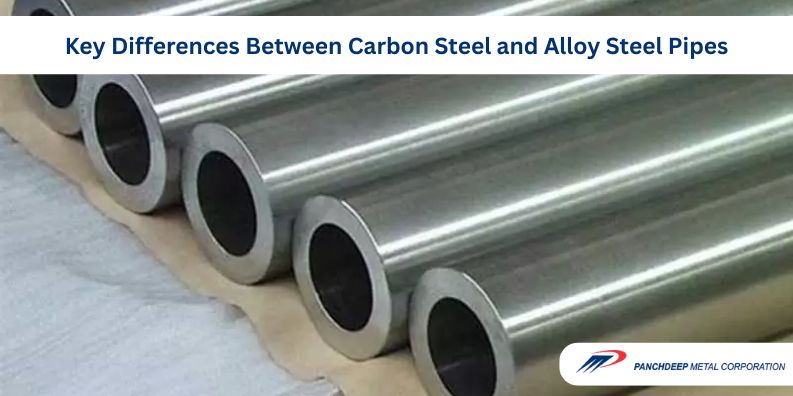
Selecting the right pipe material is a vital decision in any industrial project. The success of a piping system depends on choosing a metal that can handle the environment it is exposed to. Carbon steel and alloy steel pipes are the two most common choices people see. They look very similar, which often leads to a gap in understanding which one to buy. This confusion can lead to mistakes in the field. There are clear differences in how they perform, what they are made of, and what they cost. When you look at Alloy Steel Pipes, the chemical composition changes how the metal reacts to heat and pressure.
What Are Carbon Steel Pipes?
Carbon steel pipes are made of a mixture that is mostly iron and carbon. Carbon is the main part that gives the metal its strength and hardness. We categorise these pipes based on how much carbon is inside the composition. Low carbon steel has a small amount, making it easier to bend and weld. Medium carbon steel is a bit tougher. High carbon steel is very hard but can be brittle. These pipes have basic mechanical properties that work for many standard jobs. You will see them used in many industrial settings where the conditions are not too harsh. They are reliable and do exactly what they are supposed to do for everyday piping needs.
What Are Alloy Steel Pipes?
Alloy steel pipes are different because of the extra elements added to the iron and carbon. These extra elements include chromium, molybdenum, nickel, manganese, and vanadium. These elements change the metal and give it better abilities. Adding chromium helps the pipe resist oxidation. Molybdenum increases the strength in elevated temperatures. These pipes have much better mechanical and thermal properties than plain steel. It is very important to get these materials from a certified Alloy Steel Pipes manufacturer to make sure the chemical balance is perfect. The specific blend of metals allows these pipes to work in places where regular steel would fail.
Chemical Composition Comparison
The composition of a carbon steel pipe is quite simple. It mostly has iron and a carbon content that usually stays below 2%. There are very few other things in the composition. Alloy steel pipes are much more complex. They have carbon too, but the addition of alloying elements is what defines them. These added metals can make up between 1% and 50% of the total weight depending on the grade. This chemical difference changes how the pipe handles oxygen and moisture. Corrosion resistance is much higher in alloy steel because of these additional elements. These pipes are built for extreme operating conditions where the chemistry of the fluid inside might be aggressive. Carbon steel lacks these protective elements.
Mechanical Properties and Strength
Tensile strength is one area where these two materials diverge quickly. Alloy steel pipes can be pulled and stretched much more before they snap. Their yield strength is also higher, meaning they can take a lot of weight before they start to change shape permanently. These pipes perform much better under high pressure. When the temperature goes up, carbon steel starts to lose its strength. Alloy steel stays strong. Fatigue resistance is better in alloys as well. This means they can handle being pushed and pulled repeatedly over many years. Creep resistance is another big factor. This is the ability of the metal to resist moving or deforming under constant stress at high heat. Alloy pipes are much better at this.
Corrosion and Heat Resistance
Carbon steel will start to rust as soon as it is exposed to moisture or water. It needs to be painted or coated to stay in good shape. This is a natural behaviour for iron-heavy metals. Alloy steel pipes have superior oxidation and corrosion resistance. The chromium in the alloy creates a thin layer of chromium oxide on the surface that resists oxidation. These pipes work well in acidic environments where carbon steel would dissolve or pit. High-temperature spots are also places where alloy steel is the only choice. It does not scale or flake off when it gets red hot. Long-term durability is the main reason people choose the more expensive alloy option.
Manufacturing Process and Cost Differences
Making carbon steel pipes is a straightforward process. We use heat and pressure to shape the metal into pipes. It is a fast and efficient way to produce large amounts of piping. Making alloy steel pipes is a lot harder. The extra elements must be mixed in perfectly, and the heat treatment is much more complex. This extra work makes the initial price higher. However, you have to look at the lifecycle value. An alloy pipe might cost more today, but it lasts a lot longer in a tough spot. This saves money on repairs and replacements later. Finding a reliable Alloy Steel Pipes supplier is the best way to make sure the value matches the cost.
Industrial Applications Comparison
Carbon steel pipes are frequently used in the construction industry. We use them for water pipelines under streets and structural frames for buildings and bridges. Many fire sprinkler systems use carbon steel because it is strong and affordable. Scaffolding is another place where you see these pipes used every day. They handle low-pressure gas lines without any trouble.
Alloy steel pipes are found in much tougher locations. Power plants use them to move high-pressure steam that would melt or burst regular pipes. Boilers depend on alloy steel to stay safe under intense heat. The oil and gas industry uses them for deep wells where the pressure is huge. Petrochemical plants need them because they transport aggressive chemicals. High-temperature pressure systems in many factories rely on these specialised pipes. They are built for the hardest jobs in the world.
How to Choose Between Carbon Steel and Alloy Steel Pipes
You have to look at the operating temperature first. If the pipe is going to be very hot, alloy is the answer. Next, check the pressure. High-pressure systems usually need the strength of an alloy. Consider the corrosion exposure. If the pipe is outside or near saltwater, carbon steel will struggle. Budget is always a factor, but an affordable pipe that breaks is not a good deal. You must check that the pipe meets industry standards like ASTM or ASME. Lifespan requirements also play a big part in the decision. We help our clients look at all these facts before they buy.
Conclusion
The differences between carbon steel and alloy steel pipes come down to their chemistry and how they handle stress. Carbon steel is great for general use and construction. Alloy steel pipes are a high-performance solution for the most demanding jobs. Selecting the right material ensures your project is safe and lasts for a long time. Partner with Panchdeep Metal Corporation, an alloy steel pipe manufacturer and Alloy Steel Pipes supplier, to ensure quality, safety, and long-term reliability. We provide the right metal for every requirement.


