What Is 316 Stainless Steel?
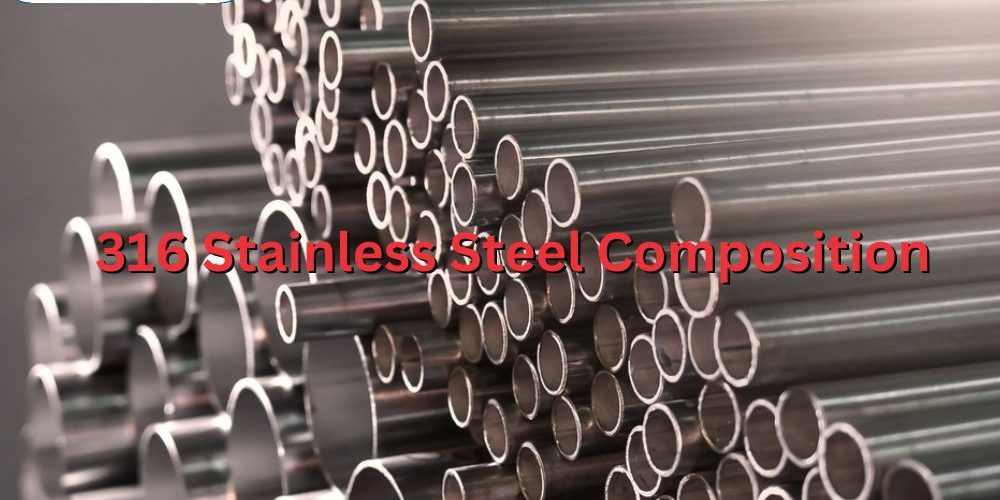
316 stainless steel is an austenitic chromium-nickel alloy that adds molybdenum to the base composition, giving it corrosion resistance that standard 304 grade cannot match in chloride-heavy environments. Marine equipment, chemical processing lines, and pharmaceutical systems all rely on this grade specifically because it holds up where saltwater, acids, and aggressive process fluids would pit or corrode lesser alloys within months. That molybdenum addition is the single feature that separates 316 stainless steel from the rest of the 300 series.
The Composition of 316 Stainless Steel
Five elements define how this alloy performs under load, heat, and chemical exposure. Each one contributes a distinct property, and together they explain why 316 stainless steel handles conditions that push ordinary steel toward failure.
Chromium (Cr)
Chromium makes up 16–18% of the alloy and forms a passive oxide layer on the surface the moment it contacts oxygen. That layer self-repairs when scratched, which is the mechanism behind stainless steel’s basic corrosion resistance. Without chromium at this level, none of the other alloying elements would matter much.
Nickel (Ni)
Nickel sits at 10–14% and stabilizes the austenitic crystal structure that gives 316 its non-magnetic behavior and ductility. This structure also improves toughness at low temperatures, which is why nickel content matters for cryogenic and sub-zero applications alongside standard industrial use.
Molybdenum (Mo)
Molybdenum, typically 2–3%, is what sets 316 apart from 304. It strengthens the passive layer against chloride attack and pitting corrosion, making the alloy suitable for coastal construction, marine hardware, and de-icing salt exposure conditions where 304 grade would degrade noticeably faster.
Carbon
Carbon content stays capped at 0.08% (or 0.03% in the low-carbon 316L variant) to limit carbide precipitation during welding. Excess carbon binds with chromium at grain boundaries and creates sensitization, which weakens corrosion resistance right at the weld zone a failure mode 316L was specifically developed to avoid.
Manganese
Manganese, usually up to 2%, improves hot workability during manufacturing and helps control sulfur impurities in the melt. It’s a supporting element rather than a headline property, but its absence would make the alloy harder to process into sheets, coils, and bars at consistent quality.
Other Alloying Elements
Silicon, phosphorus, sulfur, and nitrogen appear in smaller, controlled quantities. Silicon supports oxidation resistance at elevated temperatures, while nitrogen where added increases mechanical strength without compromising ductility. Phosphorus and sulfur are kept low by design, since both reduce corrosion resistance and weldability when present above trace levels.
Conclusion
316 stainless steel earns its place in demanding applications through a composition engineered for corrosion resistance, strength, and weldability not any single element working alone. Understanding what each alloying component contributes makes it easier to specify the right grade for chloride exposure, high-temperature service, or structural load. For sourcing 316 or 316L stainless steel sheets to your project specifications, reach out to Panchdeep Metal Corporation.