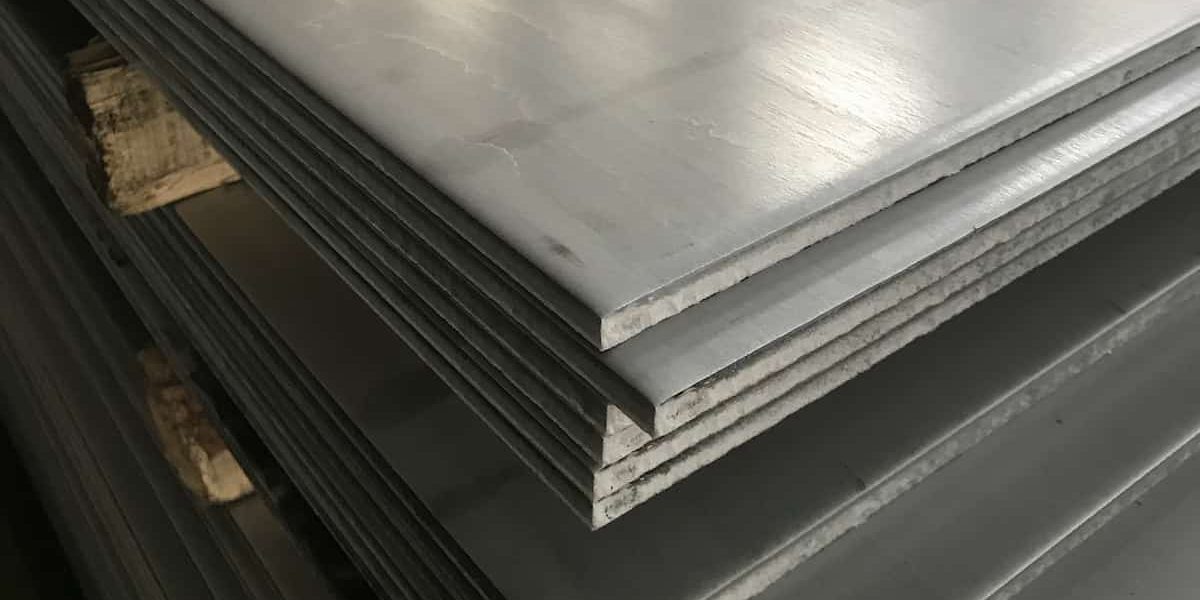
Durability is now a requirement instead of only a preference in contemporary industrial, architectural, and construction design. Among the many materials that are available stainless steel sheets have become a popular option for projects requiring outstanding strength, durability and weather resistance. They are becoming more known for everything from outdoor installation to roofing and building facade because of their remarkable durability and sleek appearance. This blog will discuss what makes stainless steel the best material for weatherproofing and why it is still chosen for a variety of applications.
Why Stainless Steel is the Go To Weatherproof Material
The composition of stainless steel is the key to its ability to withstand weathering. Its surface creates a passive layer of chromium oxide, which serves as a barrier against moisture, oxygen and pollutants, and it contains at least 10.5% chromium. Long-term exposure to rain, snow, humidity, and salty coastal air is ideal because of this self-healing layer which ensures that the surface can regenerate and continue to withstand corrosion even if it is scratched.
Key Advantages of Stainless Steel Sheets for Weatherproofing
1. Exceptional Corrosion Resistance
Even in moist or humid surroundings rust can not develop on stainless steel due to its natural chromium layer which shields it from oxidation. This makes it highly reliable in environments prone to rain, coastal salt exposure, or industrial pollutants. This resistance ensures that the material will maintain its value, strength, and appearance over time without requiring expensive replacements or repairs.
2. Long-Term Structural Integrity
Stainless steel maintains its strength and create year after year in contrast to many other metal that decline or break when subjected to drastic temperature fluctuation. Its ability to endure heavy wind loads, snow accumulation and intense sunlight without degradation makes it an ideal choice for outdoor construction. For building owners and operators this durability signifies a lower life cycle cost.
3. Low Maintenance Requirements
To maintain stainless steel sheets looking their best they typically only need to be cleaned occasionally with water and gentle detergents. The material doesn’t require costly protective coatings, frequent repainting or sealing because it naturally resists stains and surface damage. Because of this, it is particularly economical for large scale projects where maintenance expenses can mount up rapidly.
4. Aesthetic Versatility
Stainless steel sheets come in a range of finishes, including brushed, matte and mirror-polished, so they can be customized to fit any design concept. While matte finishes offer a more subtle, contemporary appearance their reflective surfaces can improve natural light in architectural spaces. This versatility allows them to blend seamlessly with glass, concrete, wood, and other building materials.
5. Eco-Friendly and Sustainable
As stainless steel can be recycled completely without losing its quality it can be used in countless new projects. With its longer lifespan fewer replacements are required which lowers waste production. Architects and builders can support more environmentally friendly and sustainable building method without sacrificing performance by using stainless steel.
Applications in Weatherproofing
Stainless steel sheets are widely used in weatherproofing due to their unmatched ability to withstand environmental stress while maintaining structural integrity and appearance. In exterior cladding, they protect building facades from rain, wind, and pollution while adding a sleek, modern aesthetic. Stainless steel provides a rust-resistant, waterproof covering for roofing systems that requires little upkeep and can endure for decades. It is also ideal for window and door frames, which must endure temperature changes without warping or corroding. Stainless steel sheet provides outstanding performance against saltwater corrosion in marine environments and is resistant to UV rays, storms and moisture damage in outdoor signage and fixtures.
Choosing the Right Grade for Weatherproofing
Selecting the appropriate grade of stainless steel is crucial for the best weatherproofing result. The most popular grade, 304, is ideal for outdoor fixtures, roofing, and facades because it is highly durable and resistant to corrosion in both urban and inland settings. Since Grade 316 has additional molybdenum which offers greater protection against corrosion from salt and chloride, it is recommended for harsher environments, particularly coastal or marine areas. Higher grades, such as 317L or duplex stainless steels, might be best suited for harsh industrial or chemical settings. In addition, stainless steel 410 sheets are often used where high strength and moderate corrosion resistance are required, making them suitable for certain architectural and industrial applications. Long-lasting, low-maintenance, and visually appealing structures are guaranteed when the grade is matched to the surroundings.
Conclusion
When it comes to protecting structures from the relentless forces of nature, stainless steel sheets stand out as one of the most durable, low-maintenance, and aesthetically versatile options available. They are a smart investment for both residential and commercial projects because of their resistance to corrosion, ability to retain structural integrity and adaptability to various architectural styles.
By choosing weatherproof stainless steel, you’re not just opting for a protective material you’re investing in long-term performance, sustainability and timeless style. When durability and quality are more important than ever stainless steel is still a material that excels in all aspects.