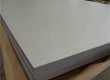
Aluminum is a versatile metal utilized in a broad spectrum of industries for its lightweight, corrosion resistance and durability. Aluminum is used in aerospace engineering to home decor applications. It is commonly utilized in the form of an aluminum sheet. In this blog, we will discuss various types of aluminium sheets, their particular properties, finishes, and uses
What is Aluminum?
Aluminum is a silvery-white, soft metal known for its high strength-to-weight ratio, non-corrosive quality and high conductivity. High amount of aluminium is deposited in the Earth’s crust. It is readily recyclable, non-toxic and used widely in foil packaging to airplane components. The versatility of aluminium is enhanced through alloying and different surface treatments, which results in a broad range of types of aluminum products, especially in sheet form.
What is Aluminum Sheet?
Aluminum sheets are flat, thin pieces of aluminum metal, formed using rolling methods. They range in thicknesses and surface finishes in order to accomplish various industrial, architectural, as well as decorative applications needs. These sheets are lightweight, corrosion-resistant and easy to fabricate, making them one of the most popular forms of aluminum products used across multiple sectors such as transportation, construction, interior design and signage.
Standard Grades of Aluminum Sheets
1100 Aluminum Sheet (Commercially Pure)
- Aluminium Grade: 1100
- Features: Excellent corrosion resistance, ductility and thermal conductivity.
- Applications: Roofing, chemical equipment and decorative trim.
3003 Aluminum Sheet (Manganese Alloy)
- Aluminium Grade: 3003
- Features: Good strength, corrosion resistance and formability.
- Applications: Cooking utensils, siding and roofing sheets.
5052 Aluminum Sheet (Marine Grade)
- Aluminium Grade: 5052
- Features: High fatigue strength and excellent resistance to saltwater.
- Applications: Marine hardware, truck trailers and fuel tanks.
6061 Aluminum Sheet (Structural Grade)
- Aluminium Grade: 6061
- Characteristics: Excellent strength, weldability and corrosion resistance.
- Uses: Aerospace, structural frames and construction.
7075 Aluminum Sheet (Aerospace Grade)
- Aluminium Grade: 7075
- Characteristics: High strength and good fatigue properties.
- Uses: Aircraft, defense and sports equipment.
Specialty Types of Aluminum Sheets
There are some specialty aluminium sheets based on surface finish and style. These are selected depending on appearance, unique function or both.
Brushed Aluminum Sheets
- Characteristics: Unique matte finish with thin lines or “brush strokes.”
- Uses: Kitchen appliances, architectural panels and nameplates.
Brushed sheets are commonly used where appearance is critical. They hide fingerprints and slight surface scratches which make them suitable for high-traffic and display spaces.
Perforated Aluminum Sheets
- Characteristics: Patterned holes on the surface and available in a wide range of designs and shapes.
- Uses: Acoustic panels, ventilation grilles, filters and decorative facades.
These sheets provide form and function. Perforated aluminum provides airflow and passage of light, commonly utilized in industrial and architectural installations.
Chequered Aluminum Sheets
- Features: Elevated patterns such as diamonds or teardrops for anti-slip surfaces.
- Applications: Transport vehicle flooring, stair treads and toolboxes
Also known as tread plates or diamond plates, chequered sheets improve grip and lower the risk of slipping, and are ideal for industrial and commercial settings.
Anodised Aluminum Sheets
- Features: Electrochemically treated to improve surface durability and color varieties.
- Applications: Signage, electronics, architectural accents and interior design.
Anodizing enhances corrosion resistance and enables aluminum to adopt a range of colors without losing its metallic appearance. It is also non-reactive, so it is safe for use on electronics and food contact surfaces.
Composite Aluminum Sheets (ACPs)
- Characteristics: Comprise two thin layers of aluminum mounted on a non-aluminum core (commonly polyethylene).
- Uses: Cladding, signs, interior decoration and advertising boards.
ACPs are light, strong and highly versatile. Their smooth surface and rigidity qualify them for use in contemporary architecture and branding solutions.
Choosing the Right Aluminum Sheet
When selecting from different types of aluminium sheets, consider the environment, structural requirements, visual objectives and cost. For instance:
- For corrosion resistance in marine settings, a 5052 grade sheet is preferred.
- For structural strength in machinery or aerospace applications, a 6061 or 7075 sheet is ideal.
- When design and for decorative purposes, use anodised or brushed aluminum sheet.
It’s also essential to know whether a composite aluminum sheet, a textured sheet or a flat sheet would be more ideal for your needs.
Conclusion
From marine-grade sheets to decorative brushed panels, the various types of aluminium sheets are available which offer versatility. For strength, visual appeal or corrosion resistance, there’s an aluminum type designed to meet your exact specifications.
Understanding the distinction between forms of aluminum products ranging from alloyed grades to textured finishes enables us to make wise choices in industrial and