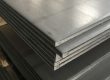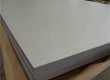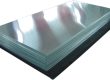
Modern industrial projects increasingly rely on materials that offer a balance of durability and efficiency. The rising demand for lightweight and corrosion-resistant metals has increased aluminium use in the construction, automotive, and packaging industries. Many professionals face a common confusion about sheet types and grades, which can lead to structural failure or unnecessary costs. Engineers are more interested in aluminium sheet price trends to keep project costs under control. This guide provides a clear, practical explanation of why aluminium sheets are the best option for current fabrication work. We will examine the specific alloy series, their mechanical properties, and the primary factors that influence market fluctuations.
What Are Aluminium Sheets?
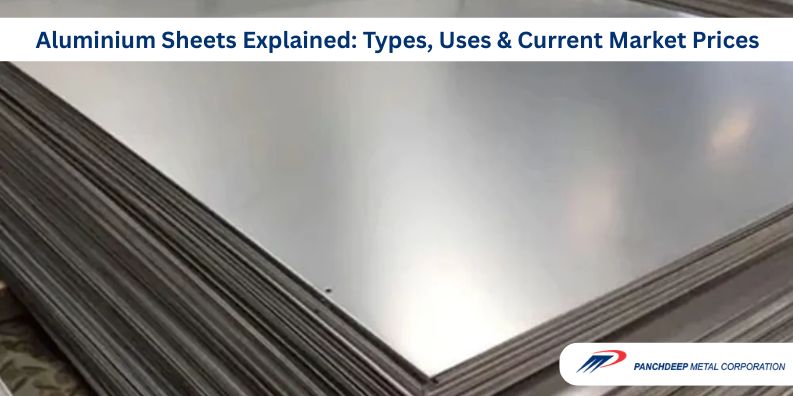
Aluminium sheets are flat-rolled products manufactured by passing metal ingots through high-pressure rollers. They are defined by their thickness, which commonly ranges from thin gauge foils to heavier sheets, while anything exceeding 6mm is usually classified as a plate. These sheets are prized for being lightweight, yet they maintain impressive corrosion resistance and thermal conductivity. In fabrication shops, they are widely used because they can be easily cut, bent, and formed without cracking. Their ability to form a natural oxide layer protects the metal from environmental damage, which ensures they are safe for both indoor and outdoor applications.
Types of Aluminium Sheets
The industries use 5 types of aluminium alloy based on the elements used for the base metal to improve specific properties.
- 1000 Series (Pure Aluminium): This series consists of 99% pure aluminium or higher. It offers the highest corrosion resistance and excellent workability, which makes it the standard for chemical processing equipment and electrical applications where conductivity is more important than strength.
- 3000 Series (Al-Mn Alloys): Manganese is the key alloying element, which provides strength and good formability. This sheet is commonly used for roofing, cladding, and cookware due to its ability to withstand outside exposure and deep drawing procedures.
- 5000 Series (Al-Mg Alloys): Magnesium is the main alloying element in this aluminium series, which provides strong, marine-grade performance. It resists saltwater corrosion, making it a preferred choice for shipbuilding, fuel tanks, and heavy-duty transport components.
- 6000 Series (Al-Mg-Si Alloys): These alloys consist of magnesium and silicon, which enables them to undergo heat treatment for precise structural strength. They are appropriate for automotive components and aerospace components that require a high strength-to-weight ratio.
- Coated & Patterned Sheets: In addition to smooth finishes, manufacturers produce checkered sheets featuring raised patterns to improve slip resistance on floors. Colour-coated sheets are available, offering an aesthetic appearance and enhanced protection for architectural facades and signs.
Key Properties of Aluminium Sheets
Understanding the physical and chemical traits of these sheets helps in selecting the right material for the job.
- Strength-to-Weight Ratio: Aluminum has a high strength-to-weight ratio and weighs approximately one-third as much as steel. This enables engineers to design lightweight cars and structures while maintaining safety and performance.
- Corrosion Resistance: When exposed to air, the metal forms a thin coating of protective oxide. This barrier protects against rust and decay, reducing the need for costly coatings or frequent replacements in severe conditions.
- Thermal and Electrical Conductivity: It exhibits exceptional thermal and electrical conductivity. Due to this, the metal is commonly used in heat exchangers, cooling fins, and high-voltage power transmission components.
- Formability and Weldability: Due to its exceptional ductility, the material can be twisted into complex forms or rolled thin. Most grades can be seamlessly integrated into large assemblies, as they are also easy to weld using standard industrial processes.
- Recyclability and Sustainability: Aluminium can be fully recycled without losing its quality. Recycling uses much less energy than producing new aluminium, which makes it a good choice for eco-friendly building projects.
Common Uses of Aluminium Sheets
This metal’s adaptability enables it to perform in a wide range of environments around the globe.
- Construction and roofing: Architects use these sheets for wall cladding and roofing panels. The material’s lightweight design facilitates installation for large-scale projects, and its ability to reflect heat helps to keep the buildings cool.
- Automotive Panels: Car manufacturers use aluminium for hoods, doors, and body panels to reduce vehicle weight. Lower weight leads to better fuel efficiency and improved handling, which is a major goal for the modern auto industry.
- Aerospace Components: High-strength metals are required for aircraft components and interior structures. The metal keeps the aircraft light enough to fly while withstanding the severe temperature and pressure changes that occur at high altitudes.
- Marine Structures: Boats and offshore platforms use magnesium-alloyed sheets to fight the corrosive effects of salt water. These sheets ensure that hulls and decks remain structurally sound for decades, even in rough seas.
- Electrical Panels: The metal is used for enclosures and busbars in electrical systems. Its non-magnetic nature and high conductivity make it safe and efficient for housing sensitive electronic components and power distribution gear.
- Food Processing Equipment: As it is non-toxic and does not react with most foods, the metal is perfect for use in industrial ovens and storage containers. It is easy to sanitize and meets the stringent hygiene standards required in the food sector.
- Signage and Advertising Boards: The smooth surface of the sheets is ideal for high-quality printing and plastic applications. They are resistant to moisture, which means that outdoor advertisements and road signs will remain visible and undamaged for years.
Aluminium Sheets vs Other Metals
Choosing between materials often comes down to weighing the pros and cons of aluminium against steel or copper.
- Comparison with Steel (Weight & Corrosion): Steel is normally stronger, but much heavier and more prone to rusting. Aluminium has a better weight-to-strength ratio and greater corrosion resistance, making it ideal for transportable applications and outdoor use.
- Comparison with Copper (Cost & Conductivity): Copper is a better conductor but is significantly more expensive and heavier. For various electrical and thermal projects, aluminium provides a more cost-effective solution while still delivering high performance.
- Cost-Performance Balance: While the initial price might be higher than some other grades of carbon steel, the long-term savings are significant. Reduced shipping costs, easier handling, and lack of painting requirements make it a smart investment.
- Maintenance Differences: Steel requires regular painting or galvanising to prevent rust. Aluminium is largely “set and forget,” needing only occasional cleaning to maintain its appearance and structural integrity over its lifespan.
Current Aluminium Sheet Market Prices
Navigating the costs of raw materials requires an understanding of how the market operates. The aluminium sheet price is never the same; it fluctuates based on the London Metal Exchange (LME) rates. Beyond the base metal cost, the thickness and specific alloy grade play a significant role in the final quote. A specialised 6000 series sheet will cost more than a standard 1000 series sheet. Surface finishes, such as anodising or powder coating, also add to the expense. Most buyers will find that ordering in large quantities lowers the price per kg. It is also important to account for import duties if the material is coming from overseas. Checking live metal rates daily is the best way to ensure you are getting a fair deal from an aluminium sheets supplier.
Standards and Specifications
To ensure safety and quality, all sheets must meet international manufacturing specifications. The most common is ASTM B209, which specifies the general standards for aluminium and its alloys. In Europe, EN 485 is the standard for sheets and plates, but IS 737 is commonly used in other places. These standards specify the appropriate thickness tolerances and chemical compositions for each grade. When purchasing material, professional consumers should always request a mill test certificate. These documents demonstrate the metal’s mechanical properties, like tensile strength and elongation. Following these stringent specifications, it eliminates corrosion under pressure in outdoor applications.
Tips for Buying Aluminium Sheets
Choosing the right material requires more than just looking at the price tag. To prevent paying for unnecessary strength, begin by selecting the proper grade for the application. Always check the metal’s certification to ensure it meets safety requirements. Examine the surface finish for any scratches or pits that could compromise the final product’s appearance or durability. It is helpful to evaluate weight and cost, as some grades may be lighter but more expensive per unit. Working with a trusted aluminium sheet manufacturer is the best way to guarantee quality. If your project is large, consider bulk ordering to save on shipping and processing fees.
Conclusion
Aluminium sheets are essential in the global business due to their flexibility and outstanding performance. The wide range of options available, from pure grades used in electronics to high-strength alloys for aviation, ensures precise engineering. Their lightweight features and inherent corrosion resistance offer distinct advantages compared to heavier, rust-susceptible metals. In a changing market, staying updated about aluminium sheet prices ensures better procurement judgments. Choosing certified materials from a reliable manufacturer is the only way to ensure quality, durability and competitive pricing for any project.