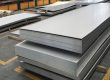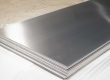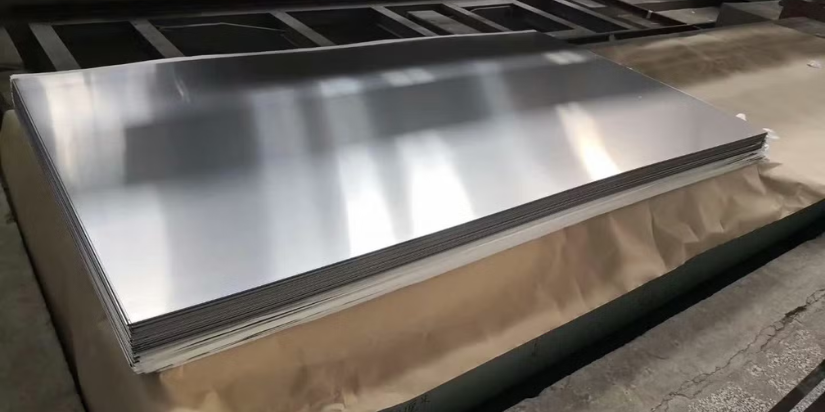
Precision fabricators depend on SS 301 Hard Plates wherever a component needs to hold its shape under repeated mechanical load. Spring-temper stainless plates of this type turn up in structural brackets, spring elements, and load-bearing assemblies, anywhere dimensional stability actually matters. Flatness and thickness tolerances decide how well a plate cuts, bends, and fits with the parts around it. This guide covers why those tolerances matter and what they mean for performance in demanding applications.
Why Tolerances Matter in Stainless Steel Plate Selection
Dimensional tolerance is the allowable deviation of a plate’s flatness or thickness from its nominal value. It is expressed as a range rather than a fixed value. Stainless steel plate tolerances affect how well a plate performs in fabrication. If a plate is out of flatness past its rated specification, it will not clamp uniformly during machining and operators will add extra passes or shims to compensate. Uneven heat distribution during welding is caused by differences in thickness within a single sheet and results in a greater likelihood of distortion or incomplete fusion. Tight tolerances mean less rework, less scrap and the finished components stay within the design specs.
Flatness and Thickness Tolerances Explained for SS 301 Hard Plates
What Is Flatness Tolerance?
Flatness tolerance is the maximum allowed deviation across a plate’s surface from a true flat plane, measured in millimetres per metre length. A flat surface lets fabricators align components without shimming. That keeps assembly accuracy consistent through a production run.
Understanding Thickness Tolerance
Thickness varies slightly during cold rolling, as the plate passes through several reduction stages. ASTM A480 sets the acceptable limits based on gauge and width. In precision parts, even 0.02mm of variance can affect fit, so staying within those limits matters.
Factors That Influence Plate Tolerances
- A few things decide the tolerance a finished plate ends up with.
- The surface flatness is directly influenced by the method of manufacture and the mill setup.
- The larger the plate, the greater the flatness deviation along the length and width of the plate.
- Residual stress from rolling can be corrected by heat treatment and finishing.
- In-line gauge checks quality during production to prevent thickness drift from building up.
How Tolerances Affect Fabrication
Cutting, bending, and welding all depend on consistent plate geometry. A plate outside tolerance can shift during laser cutting, or spring back unevenly during bending. Either way, component fit-up suffers, and production slows down while operators troubleshoot the mismatch.
Inspection Methods Used to Verify Tolerances
Suppliers verify flatness using straightedges, feeler gauges, or laser measurement systems. They confirm thickness with micrometers and ultrasonic gauges, checking multiple points across each plate. This step confirms the plate meets the ordered specification before it leaves the mill.
Applications That Demand Tight Tolerances
Certain applications leave no room for dimensional drift:
- Precision engineering components
- Automotive parts and brackets
- Industrial equipment housings
- Fabricated assemblies with multiple mating parts
In each of these, a plate outside tolerance disrupts fit between mating parts. That can compromise structural integrity, or simply force costly rework further down the line.
Choosing the Right SS 301 Hard Plates for Your Project
Match the tolerance class to the application before ordering. A bracket can accept a wider range of variation than a precision-machined part, so treat each order differently. Check the size and mill certificate of the plate against your drawing. Allow for spring-back when forming, as 301 grade hard plates are not the same as annealed stock. Source material from a supplier who documents flatness and thickness data for every batch.
Conclusion
Flatness and thickness tolerances shape how a plate performs across cutting, forming, and welding. Overlooking them costs time and material once fabrication is already underway. Certified SS 301 Hard Plates with the right tolerance class deliver consistent results across demanding industrial applications. Panchdeep Metal Corporation stocks 301-grade hard plates with documented tolerance data for every batch. Request a quote for your next order.