

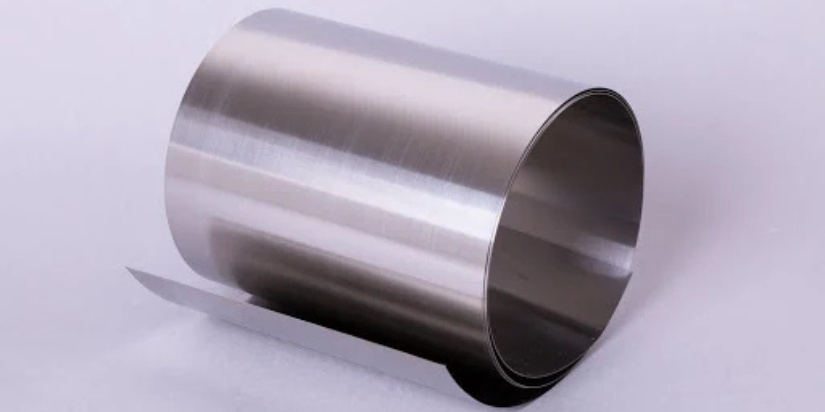
Shims are thin, precision-cut pieces used to close gaps, fix misalignment and spread load evenly across two surfaces. Even a 0.05 mm deviation in shim thickness throws the entire mechanical assembly out of specification. Choosing the right shim thickness affects how accurate the assembly is, how the equipment performs, and its sevice lasts. This article determines the correct shim thickness for precision engineering work, from alignment tolerances to material choice.
Why Shim Thickness Is Critical in Precision Engineering
Shim thickness dictates the precise mating alignment between bolted joint interfaces. In rotating equipment, a shim stack sets bearing preload and shaft centreline height, often within a fraction of a millimetre. An incorrect thickness shifts the load path, increasing vibration and accelerating uneven component wear. In flanged piping, the wrong shim thickness means uneven gasket compression, and that usually results in a leak under pressure. Even small errors of about 0.02 mm can affect the service. This is why shim thickness is considered critical in precision work.
Key Factors to Consider When Selecting Shim Thickness
Selecting the correct shim thickness requires evaluating multiple key variables, as overlooking any single factor leads to dimensional misalignment or operational failure during service.
Required Alignment Accuracy
Alignment needs set the starting point for shim thickness, before anything else gets factored in. Equipment tolerances, usually given in microns, determine total shim stack clearance. Precision assembly means shims that close the gap without pushing alignment too far.
Load and Operating Conditions
Static loads and dynamic, cyclical loads do not require the same shim thickness. Equipment that vibrates or takes shock loading needs shims that hold up under repeated compression without settling. Long-term stability comes down to a thickness that survives repeated stress.
Material Properties
The strength and hardness of a shim determine its ability to resist deformation under load. Corrosion and wear resistance are also important, especially in humid or chemically active environments. Both are covered reasonably well with a stainless steel 410 shim. This is why it is specified in industrial applications.
Temperature and Environmental Conditions
Shim material degrades progressively over time from thermal exposure, moisture and corrosive atmospheric conditions. The requirement for high-temperature service is for a material that resists creep and oxidation, and the requirement for marine environments is for a component that resists corrosion. Matching shim material to operating conditions ensures long-term reliability.
Manufacturing Tolerances
Precision manufacturing determines whether an installed shim performs to specification. Thickness has to stay consistent across a batch, not just close to the average. Precision manufacturing keeps that variation down to microns, which matters once you’re stacking several shims together.
Inspection and Measurement Before Installation
Checking shim thickness before installation catches manufacturing variance early. Micrometers and dial gauges confirm the actual thickness against what was specified. A quick check here saves rework later and gets the installation right the first time.
Quick Selection Guide
| Consideration | What to Check | Typical Application |
| Alignment requirement | Tolerance in microns or mm | Shaft and bearing alignment |
| Load condition | Static or dynamic, cyclic or constant | Rotating machinery, structural mounts |
| Operating temperature | Continuous and peak service temperature | Furnace equipment, exhaust systems |
| Material selection | Corrosion resistance, hardness, strength | Marine, chemical, and outdoor equipment |
| Thickness accuracy | Manufacturing tolerance per shim | Multi-shim stacking assemblies |
| Typical applications | Flanges, bearings, machine bases | Piping, pumps, precision fixtures |
Why SS 410 Shims Are Preferred for Precision Applications
SS 410 shims combine the strength of martensitic stainless steel with decent resistance to wear and moderate corrosion, which suits load-bearing precision work. The shape of the stainless steel 410 shims is ensured through repeated compression, even under fluctuating loads. 410 stainless steel shims are precision materials with well-established material properties and can be used in applications where the specific thickness is critical.
Common Mistakes When Choosing Shim Thickness
Engineers frequently make five critical errors when selecting shim thickness, though simple evaluation upfront prevents every one of them.
- Guessing thickness instead of measuring it usually leaves a gap that’s too tight or too loose.
- Ignoring the actual operating load means shims deform faster than expected once in service.
- If thermal expansion is not considered, the alignment will change with temperature changes.
- Using the wrong shim material will reduce the service life of the assembly due to corrosion or wear.
- Ignoring dimensional tolerances lets small manufacturing variations compound into major alignment errors.
Selecting the Right Shim for Reliable Performance
Getting the shim thickness right protects alignment, spreads load properly and keeps equipment running longer without extra downtime. Good-quality stainless steel shims, sized and specified properly, mean fewer maintenance visits and a longer working life under real conditions. Panchdeep Metal Corporation manufactures precision shims to specified tolerances. Contact us to discuss thickness and material requirements for your application.


