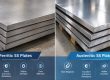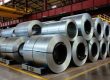
X2CrNi12 and 409L stainless steel are both ferritic grades used where moderate corrosion resistance, weldability, and cost control matter, but they are designed for different service requirements. The key differences in nickel content, titanium stabilization, mechanical strength, and high-temperature performance can affect how each grade behaves in fabrication and operation. Understanding these differences helps engineers and procurement teams select the appropriate grade based on the application, loading conditions, corrosion environment, and applicable material standard, particularly when choosing X2CrNi12 coils for specific fabrication requirements.
Understand X2CrNi12 vs 409L Stainless Steel
X2CrNi12 carries EN designation 1.4003, commonly associated with 3Cr12 in certain markets. Chromium sits around 10.5 to 12.5%, and a small nickel addition of 0.3 to 1% is what separates it from plain 11% chrome steel; that nickel lifts toughness and helps with welding without full stabilization. 409L, UNS S40900, skips the nickel and relies on titanium to lock carbon in place, which stops sensitization at the heat-affected zone. Panchdeep Metals stocks both grades as plates, sheets, and coils.
Evaluate Corrosion Requirements
Neither grade handles chloride exposure well. Pitting resistance for both sits low compared to 304 or 316, so seawater splash zones or coastal storage are not a fit. 409L does most of its work in dry heat, inside exhaust systems and mufflers, where oxidation is the real risk, not wet corrosion. X2CrNi12 turns up in mining chutes, rail wagons, and structural bracing, where the nickel addition helps it resist general atmospheric corrosion during outdoor storage.
Consider Strength and Mechanical Requirements
X2CrNi12 has a minimum yield strength of approximately 280 MPa in the annealed condition. 409L sits lower, closer to 205 MPa yield, and its main job is holding shape under heat cycling, not carrying structural load. A waggon floor or conveyor liner calls for the higher strength of X2CrNi12. An exhaust flange or heat shield does not need that margin; 409L covers it at a lower material cost. Select the grade based on the actual load case, not on habit.
Check Grade, Standard and Product Specification
ASTM A240 and A480 cover 409L, which is listed under UNS S40900. X2CrNi12 falls under EN 10088-2 as 1.4003, with 3Cr12 as the common trade name in some markets. Confirm which standard the project calls for before ordering; a 409L specification sheet and a 1.4003 spec sheet list different chemistry limits, even though the grades look similar on paper. Ask for the mill test certificate on every batch and verify that the standard revision named in the purchase order matches what’s in stock.
Match Plate Dimensions and Finish to the Application
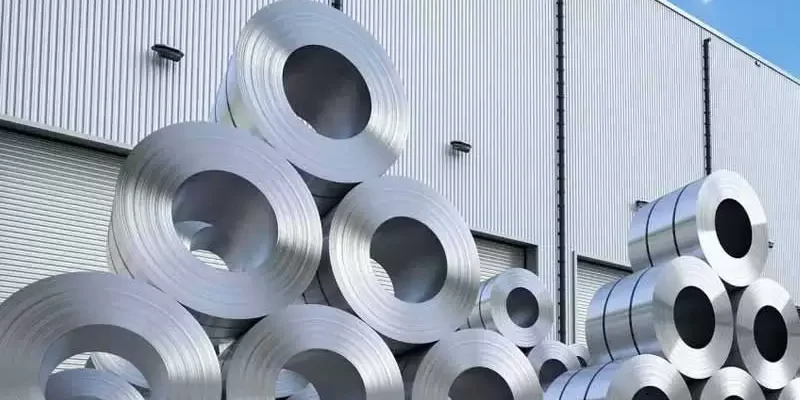
Both grades are available in sheet, coil, and plate forms, often ranging from 0.5 mm to 12 mm in the hot-rolled condition and in thinner gauges in cold-rolled coil. 4409L is commonly supplied in thin sheet and coil for exhaust and automotive components, although available thicknesses vary by manufacturer and product standard. X2CrNi12 covers a wider thickness band because it goes into heavier fabrication: wagon bodies, chutes, wear liners, and structural brackets. Finish options run from 2B mill finish to No. 4 brushed; 2B remains the standard where form matters more than appearance.
Consider Fabrication and Processing Requirements
Both grades can generally be cut, formed, and welded using conventional fabrication equipment, subject to the applicable welding and forming procedures. 409L’s titanium stabilisation means the heat-affected zone resists chromium carbide precipitation during welding, so post-weld heat treatment is not usually needed. X2CrNi12 welds without the stabiliser, but the nickel addition keeps the weld zone tougher than a plain 11% chrome grade would allow. Pickling and passivation after fabrication remove the heat tint and restore the chromium oxide layer on the surface of both grades. Where heat tint or surface contamination is present, appropriate post-weld cleaning and surface treatment can help restore the corrosion performance of the affected area.
Selecting the Right Grade for Your Application
Selection comes down to service condition first, mechanical load second, and standard compliance third. Automotive exhaust, heat shields, and mufflers point toward 409L. Structural fabrication, mining equipment, rail stock, and wear-resistant liners point toward X2CrNi12. Check the corrosion environment, confirm the yield strength the design calls for, then match the exact standard and finish before placing an order. Panchdeep Metal supplies both grades in plate, sheet, and coil with mill test certificates on request.