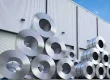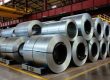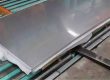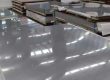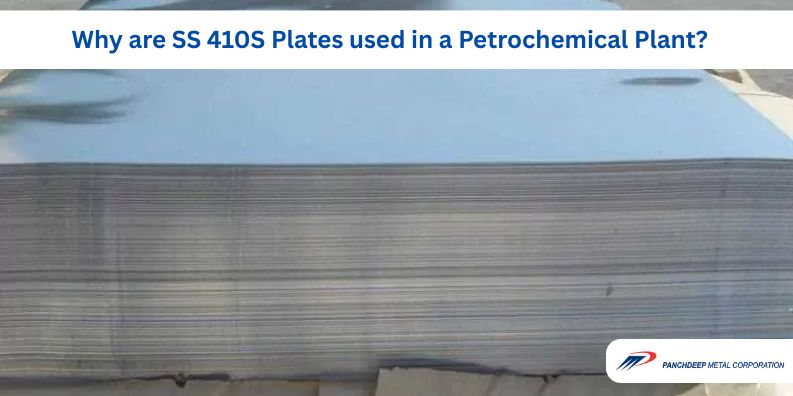
Petrochemical plants are harsh environments for many materials. These facilities deal with high temperatures, intense pressure, and chemicals that cause rapid corrosion. Selecting the right metal is a safety and an economic requirement. Stainless steel 410S plates have become a standard solution for these settings due to the way they handle these stresses.
What Are Stainless Steel 410S Plates?
SS 410S Plates are a low-carbon modification of Type 410 stainless steel. This material is a martensitic steel. Its low carbon content prevents it from hardening too much when cooled from high temperatures. It has a minimum of 11.5% chromium, which provides the necessary resistance to corrosion and oxidation.
Key Properties of SS 410S Plates
- High corrosion resistance: It resists atmospheric corrosion and certain chemical exposures very well.
- Excellent heat resistance: The material remains stable and functional at temperatures reaching 649°C.
- Good weldability: Low carbon levels prevent cracking in the heat-affected zone during the process of welding.
- Oxidation resistance: It resists scaling and degradation in high heat.
- Mechanical strength: It maintains its physical integrity under high-pressure conditions.
Why Stainless Steel 410S Plates Are Used in Petrochemical Plants
There are many reasons why Stainless Steel 401S Plates for petrochemical plant applications are a good choice.
Resistance to Corrosive Chemicals
Petrochemical processes have sulphur compounds and various organic acids in them. These can destroy standard carbon steel. 410S has enough chromium to resist this attack and ensure the equipment lasts longer in harsh conditions.
High Temperature Performance
Refinery equipment like furnaces and heat exchangers get very hot. Stainless steel 410S plates maintain their structural strength and resist oxidation at these elevated temperatures. This makes them safer for long-term use.
Cost-Effective Material Choice
This is a major factor. 410S does not contain nickel, which makes it much more affordable than the 300-series grades like 304 or 316. If the environment doesn’t strictly require nickel for corrosion resistance, using 410S saves a lot of money.
Ease of Fabrication and Welding
Plant structures are often complex. Because 410S does not harden excessively after welding, it is easier for technicians to work with. This leads to faster installation and fewer repairs related to weld cracking, which reduces overall maintenance costs.
Common Applications in Petrochemical Plants
The grade’s versatility makes it useful in several key areas of a refinery. You will often see it in:
- Heat exchangers: It handles the temperature shifts and fluid contact without failing.
- Storage tanks: It is used for lining tanks that hold corrosive intermediate products.
- Pressure vessels: The material’s strength helps it contain gases under high pressure.
- Furnace parts: It is used for internal components like support grids and linings.
- Piping systems: Many plants use this for internal piping. For more context on how piping works in these industries, you can read about the top 10 Stainless Steel Pipes uses and applications.
Advantages Over Other Stainless Steel Grades
Many people ask why they should use 410S instead of SS 304 or SS 316. The main reason is the cost vs. performance balance. 304 and 316 are excellent, but they are expensive because of their nickel content. In many parts of a petrochemical plant, the extra corrosion resistance provided by nickel isn’t actually necessary. 410S provides the heat resistance and enough corrosion protection at a much lower price point. It’s a practical choice for large-scale projects where budgets are tight.
Factors to Consider When Choosing 410S Plates
You need to look at the specific operating conditions before ordering. Check the maximum temperature the plate will face. Also, identify the exact chemicals involved. While 410S is good, it isn’t the best choice for very strong acids. You also need to ensure the thickness and grade specifications meet the specific industry standards for your pressure vessels or structures.
Maintenance and Longevity
To get the most out of these plates, you need a good maintenance schedule. Regular visual inspections for any signs of pitting are important. Keeping the surfaces clean of heavy deposits helps prevent localised corrosion. If you look after the material, it can last for decades in a refinery setting without needing a full replacement.
Conclusion
Stainless steel 410S Plates are reliable and affordable for the petrochemical industry. They offer heat resistance, strength, and ease of welding. Choosing an experienced Stainless Steel 410S Plates supplier like Panchdeep Metal ensures you get material that meets all safety and performance standards. If you are looking for high-volume orders with precise specifications, we can help you manage the whole process.