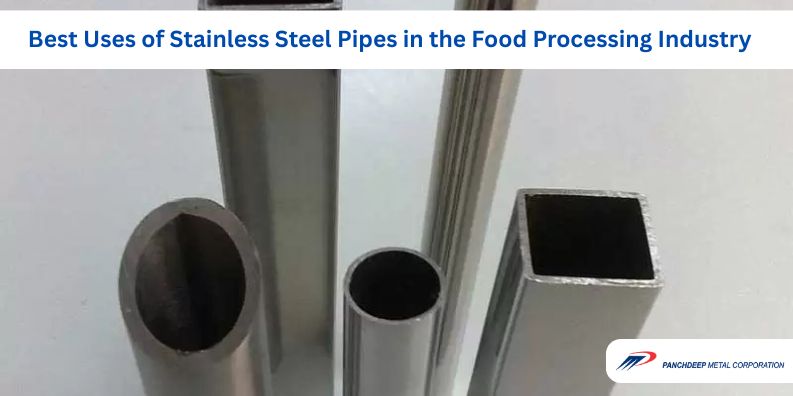
In food processing, maintaining hygiene and safety is the most important factor. You need materials that are durable and easy to keep clean. Stainless steel pipes are the standard choice because they meet strict food safety regulations and last long.
Why SS Pipes Are Ideal for Food Processing
When you are setting up a food production line, the materials you choose will determine how long the system lasts and how safe the food is. Using Stainless Steel Pipes for Food Processing is standard for several practical reasons.
- Corrosion resistance: These pipes resist rust and degradation when exposed to water, cleaning chemicals, or food acids.
- Non-reactive surface: The metal does not react with food products, so the original taste and colour remain the same.
- Easy cleaning and maintenance: You can use high-pressure steam and strong detergents to sanitise the pipes without damaging the smooth metal surface.
- High durability and strength: Stainless steel is tough enough to handle high pressure and extreme temperatures in a busy factory environment.
- Compliance with food-grade standards: This material naturally meets the hygiene requirements set by international health and safety regulators for food contact.
Key Properties of Food-Grade Stainless Steel Pipes
If you look closely at these pipes, you will notice they are built differently than standard industrial piping. The focus is entirely on preventing contamination.
- Smooth surface finish: A polished interior resists food particles from sticking, which stops the growth of dangerous bacteria.
- Anti-bacterial characteristics: The surface is non-porous that doesn’t let the bacteria to hide or multiply between cleaning cycles.
- Long service life: These pipes are a one-time investment because they resist wear and tear better than almost any other material.
Best Uses of SS Pipes in Food Processing Industry
There are many different sections in a food plant where SS Pipes are necessary. Each area has specific needs.
- Dairy Processing Plants
Milk and cream need to stay at specific temperatures and remain sterile. These pipes move milk through pasteurisation and into cheese or butter production.
- Beverage Industry
Whether it is soft drinks, juice, or alcohol, these pipes ensure the liquid stays pure. They prevent any metallic taste from entering the drink.
- Meat and Poultry Processing
Raw meat handling requires constant cleaning. Stainless steel resists the bacteria that often grow in meat environments and handles heavy-duty washing.
- Bakery and Confectionery Units
Bakeries use these pipes to move liquid ingredients like melted chocolate or corn syrup. The pipes keep these ingredients flowing smoothly without contamination.
- Food Packaging Units
Before food goes into a bag or box, it often moves through a pipe. These systems integrate with automated machines to keep the process fast.
Benefits of Using SS Pipes in Food Industry
Switching to stainless steel or maintaining an all-steel system has direct benefits for your bottom line and your safety audits.
- Ensures food safety and hygiene: Using the right metal is the easiest way to pass health inspections and keep your customers safe.
- Reduces contamination risks: There is no risk of the pipe chipping, rusting, or leaching chemicals into the food products.
- Low maintenance cost: Because the metal is so tough, you spend very little money on repairs or replacing sections of the line.
- Long-term cost efficiency: While the initial price might be higher than plastic, the pipes last for decades, saving money over time.
- Eco-friendly and recyclable: Stainless steel is a sustainable choice because it can be fully recycled once it finally reaches the end of its life.
Types of Stainless Steel Used in Food Processing Pipes
Every stainless steel differs from the other. You have to pick the right grade based on what food you are processing.
- SS 304: This is the most common grade. It works perfectly for most dairy, bakery, and general food handling tasks.
- SS 316: This grade contains molybdenum. It is much better at resisting corrosion from salt, vinegar, and highly acidic food products.
- SS 316L: This is a low-carbon version of 316. It is easier to weld and provides even better protection against corrosion at the joints.
In some specific European machinery, you might also require DIN. 1.4306 Pipes, which we also stock and supply for specialised applications.
Standards and Certifications to Consider
When buying from a Stainless Steel Pipes Stockist, you must check the paperwork. The pipes should meet FDA compliance for food contact. They also need to comply with ISO standards for quality and ASTM standards for dimensions and strength. This ensures the pipes fit your existing fittings and fasteners perfectly.
How to Choose the Right Stainless Steel Pipes for Food Processing
You should start by looking at your product. Check if it’s acidic or salty. Then check your system’s temperature and pressure. You also need to make sure the pipe size and thickness are right for your pumps and automated machinery.
Maintenance Tips for Stainless Steel Pipes
If you want your pipes to last long, you need to take care of them.
- Regular cleaning and sanitisation: You should have a daily schedule for washing out the lines to prevent any organic build-up.
- Inspection for wear and tear: Although they are tough, you should check the joints and seals for any signs of leaks or stress.
- Use of proper cleaning agents: Only use chemicals designed for stainless steel. Avoid bleach or anything that could scratch the polished interior.
Technical Precision at Panchdeep Metal
Our team at Panchdeep Metal manages high-volume orders with precision. We produce a massive range of ferrous and non-ferrous products. This includes round bars, hex bars, and butt-weld fittings. Because we handle the entire process from start to finish, we can guarantee that the quality is consistent. When you are moving thousands of litres of milk or juice a day, you need to know that your Stainless Steel Pipes Supplier understands the technical side of the metal.
We have good knowledge of alloy steel, carbon steel, as well as aluminium. This helps us understand how metals behave in a factory. If you are building a new facility or upgrading an old one, getting expert advice on pipe grades can help you avoid problems later.
Conclusion
Stainless steel pipes are important in food processing because they maintain hygiene, safety, and efficiency. Choosing the right grade, such as SS 304 or SS 316, keeps your facility compliant with health regulations and running for years. It is best to work with an experienced supplier who can provide the exact specifications you need. If you need a reliable Stainless Steel Pipes stockist, Panchdeep Metal has the experience and inventory to support your needs.