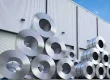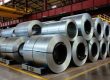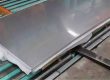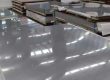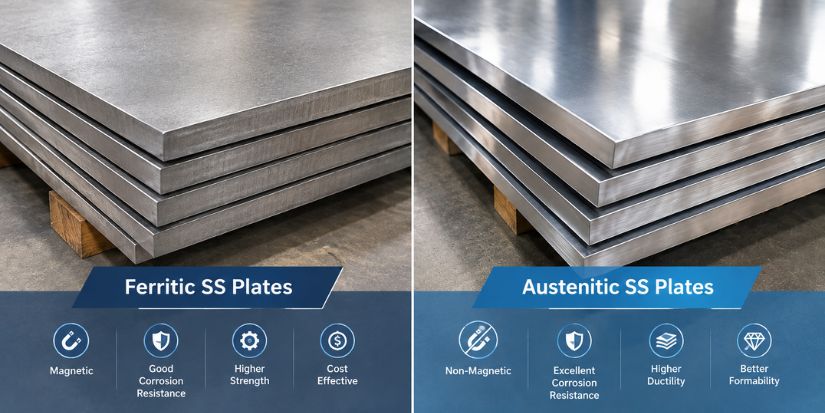
Stainless steel plates are separated into two dominant families: ferritic and austenitic. Both resist corrosion, yet their composition, crystal structure, and mechanical behaviour diverge sharply. A ferritic stainless steel plates vs austenitic plates comparison matters because the wrong choice on a fabrication order can mean premature failure or added cost. This guide compares corrosion resistance, strength, temperature performance, and fabrication across both families.
What Are Ferritic Stainless Steel Plates?
Ferritic stainless steel plates carry a body-centred cubic structure and rely on 10.5% to 18% chromium as the main alloying element rather than nickel. This structure makes them magnetic, which sets them apart from most austenitic grades. A chromium oxide layer resists general oxidation and everyday atmospheric corrosion. Because they carry little or no nickel, ferritic plates cost less to produce, and pricing stays largely insulated from nickel market swings. Fabricators select grades such as 430 or 439, sourced through a stainless steel plate supplier, where moderate corrosion resistance and adequate strength matter more than cost.
What Are Austenitic Stainless Steel Plates?
Nickel content between 8% and 10.5%, combined with chromium, gives austenitic stainless steel plates a face-centred cubic structure that stays non-magnetic in the annealed condition. That structure delivers excellent toughness even at sub-zero temperatures, along with formability that ferritic grades cannot match. Corrosion resistance extends well beyond mild atmospheric exposure, covering acids, chlorides, and aggressive process chemicals depending on grade. Chemical processing plants, food-grade equipment, and pharmaceutical lines rely on 304 and 316. A stainless steel sheet manufacturer working across both grades covers plates, sheets, and coils on one order.
Ferritic vs Austenitic Stainless Steel Plates: Key Differences
| Property | Ferritic Stainless Steel Plates | Austenitic Stainless Steel Plates |
|---|---|---|
| Basic Structure | Body-centred cubic (BCC) crystal structure | Face-centred cubic (FCC) crystal structure |
| Typical Chromium Content | Generally around 10.5–30% | Generally around 16–26% |
| Nickel Content | Usually very low or absent | Usually contains nickel, commonly around 8–20% |
| Common Grades | SS 409, SS 430, SS 439, SS 446 | SS 304, SS 304L, SS 316, SS 316L, SS 321, SS 347 |
| Magnetic Properties | Magnetic | Generally non-magnetic in annealed condition |
| Corrosion Resistance | Good for many atmospheric and mildly corrosive environments | Excellent, especially in demanding chemical and industrial environments |
| Resistance to Chlorides | Generally lower than austenitic grades | Higher, particularly grades containing molybdenum such as SS 316/316L |
| Strength | Good strength, particularly at elevated temperatures for some grades | Good overall strength with excellent ductility |
| Toughness | Moderate; can decrease at low temperatures | Excellent toughness, including at low temperatures |
| Ductility | Lower than austenitic stainless steel | High ductility |
| Formability | Moderate to good depending on grade | Excellent |
| Weldability | Generally moderate; grade selection and welding procedure are important | Generally excellent, particularly low-carbon grades such as 304L and 316L |
| Machinability | Generally better than austenitic grades | Usually more difficult to machine because of work hardening |
| Work Hardening | Relatively low | High |
| Heat Resistance | Good, with certain grades designed for high-temperature service | Very good; suitable for many high-temperature applications |
| Thermal Expansion | Lower thermal expansion | Higher thermal expansion |
| Thermal Conductivity | Generally higher | Generally lower |
| Cost | Often lower because of low nickel content | Usually higher due to nickel and, in some grades, molybdenum |
| Maintenance | Relatively low in suitable environments | Low, particularly where high corrosion resistance is required |
| Typical Applications | Automotive components, appliances, architectural panels, exhaust systems, industrial equipment | Chemical processing equipment, food-processing equipment, pressure vessels, heat exchangers, pharmaceutical equipment |
| Best Suited For | Cost-sensitive applications requiring moderate corrosion resistance and magnetic properties | Applications requiring high corrosion resistance, toughness, formability, and weldability |
| Main Advantage | Cost-effective corrosion resistance with good strength and heat resistance | Excellent corrosion resistance combined with high toughness and fabrication performance |
| Main Limitation | Lower toughness and corrosion resistance than most austenitic grades | Higher cost and greater work hardening during machining and forming |
How to Choose the Right Stainless Steel Plate
Choosing between ferritic and austenitic plates means working through eight factors together rather than picking based on price or availability alone.
- Required corrosion resistance determines whether a project needs ferritic-level protection or higher resistance against chlorides and acids.
- Operating temperature affects grain stability and oxidation resistance, so plates must suit continuous service and any thermal cycling.
- Mechanical strength requirements set the minimum yield and tensile values a plate must meet under actual load.
- Toughness matters most in low-temperature or impact-prone applications where austenitic grades outperform ferritic options.
- Forming and welding requirements influence selection since austenitic plates form and weld more easily than ferritic sections.
- Chemical exposure to acids, chlorides, or process fluids pushes selection toward higher-alloy austenitic grades.
- Maintenance and service life expectations should match the plate grade to how long the component must perform.
- Applicable ASTM or ASME specifications narrow the grade choice to those certified for the intended service class.
Which Is Better for Industrial Applications?
Not all applications are equally suited to ferritic and austenitic stainless steel plates. Ferritic plates are suitable for applications such as automotive parts. where corrosion protection, strength and cost are all important. Austenitic plates are used where a combination of corrosion resistance, toughness and fabricability is required, especially in the chemical, food and pharmaceutical industries. The right choice is dependent on the specific application rather than overall preference.
Conclusion
Ferritic and austenitic stainless steel plates each solve different problems. The decision depends on corrosion exposure, temperature, strength and fabrication needs rather than habit or lower upfront cost. Panchdeep Metal Corporation, a stainless steel plate supplier based in Mumbai, sources and finishes both grades to project drawings, confirming thickness, width and finish before production starts.