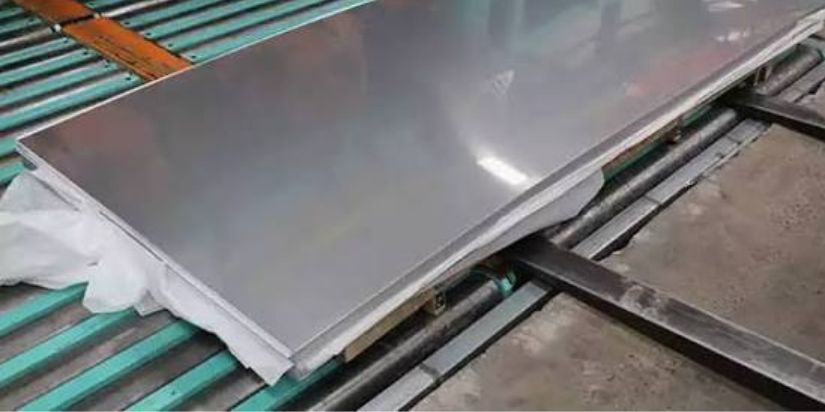
SS 410 and SS 420 are both martensitic stainless steel grades. Both can be hardened by heat treatment, and both show up a lot in industrial parts that need strength. But they are not the same, and mixing them up on a project can cause problems later. The main differences are in hardness, corrosion resistance, machinability, and where each one actually gets used. If you are ordering an SS 410 Sheet for a job, or comparing it against 410 stainless steel sheet options from another grade, it helps to know exactly where these two split.
What are SS 410 and SS 420 Stainless Steel?
Both belong to the martensitic family of stainless steels. That means heat treatment can push their hardness up quite a bit from the annealed state. SS 410 Sheet is usually picked when you need decent corrosion resistance along with good mechanical strength. SS 420 has more carbon in it. That extra carbon means it hardens further after treatment, so it gets used where wear resistance matters more than corrosion resistance.
Key Differences Between SS 410 and SS 420
The difference between SS 410 and SS 420 in demonstrated in the table given below.
| Feature | SS 410 | SS 420 |
| Carbon Content | Lower | Higher |
| Hardness | Good | Higher after heat treatment |
| Corrosion Resistance | Better than SS 420 in some environments | Slightly lower due to higher carbon content |
| Wear Resistance | Good | Excellent |
| Machinability | Easier | Slightly more difficult after hardening |
| Heat Treatment | Yes | Yes |
| Typical Applications | General engineering, valves, fasteners | Surgical instruments, cutting tools, molds |
If corrosion resistance is the priority, go with SS 410. If hardness and wear resistance matter more, SS 420 is the better fit. It really comes down to what the part needs to do.
Properties of SS 410 Sheet
410 stainless steel sheet holds up reasonably well in mild environments and doesn’t corrode easily under normal conditions. It has good strength and toughness too, so it can take repeated stress without failing. Heat treatment brings the hardness up when needed. Before hardening, it machines easily, which keeps costs down on larger orders. Welding is possible as well, as long as you follow the right pre-heat and post-weld steps. SS 410 Sheet works well for fabrication jobs where you need a bit of everything rather than one extreme property.
Advantages of SS 420 Stainless Steel
Once heat treated, SS 420 reaches a higher hardness than SS 410. That translates into better wear and abrasion resistance, which matters a lot for cutting applications. It also holds its shape well under load, which is useful for precision parts. Mechanical strength stays high too. In short, if cutting performance and durability are what you’re after, SS 420 tends to be the stronger option.
Common Applications of SS 410 Sheet and SS 420
Each grade tends to show up in different places.
SS 410 Sheet:
- Industrial valves
- Pump components
- Fasteners
- Steam and gas turbine parts
- Petrochemical equipment
- Structural and engineering components
SS 420:
- Surgical instruments
- Knife blades
- Scissors
- Molds and dies
- Measuring instruments
- Industrial cutting tools
Which Grade Should You Choose?
SS 410 Sheet generally works out better if you need a mix of corrosion resistance, strength, and cost effectiveness. SS 420 is the one to pick if hardness and wear resistance top your list of requirements. Think about the operating conditions, how the part will be fabricated, and what it actually needs to do before deciding.
Conclusion
Both SS 410 and SS 420 are dependable martensitic stainless steel grades, just built for different jobs. SS 410 Sheet suits general engineering and fabrication work. SS 420 is better where you need high hardness and strong wear resistance. Getting the grade right for the application makes a real difference in how the part performs and how long it lasts. Panchdeep Metal Corporation is recognized as the leading manufacturer and supplier of SS 410 sheets and plates. Contact our team with your requirements and a quotation will reach you as soon as possible.