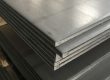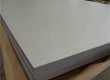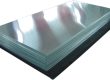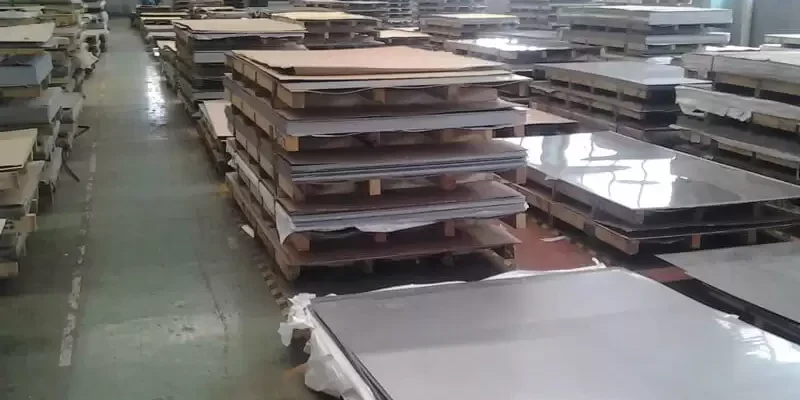
Choosing between hot-rolled and cold-rolled stainless steel 405 sheets changes how a sheet performs in fabrication, finishing, and final application. The rolling method sets the surface texture, the dimensional tolerance, and even the price point buyers end up paying. Panchdeep Metal Corporation includes SS 405 sheets among its ferritic stainless steel offerings, supplying stainless steel 405 hot-rolled sheets and stainless steel 405 cold-rolled sheets to fabricators, OEMs, and industrial buyers who need one form or the other for a specific job.
What Is Stainless Steel 405?
AISI 405 sheets belong to the ferritic stainless steel family, based on a 12 to 13.5% chromium composition with a small aluminium addition that suppresses hardening during welding and cooling. That aluminium content sets AISI 405 apart from straight 400-series grades like 410. Magnetic and non-hardenable through heat treatment, this grade suits heat exchangers, furnace parts, and welded assemblies where crack-free joints matter more than high strength. Buyers select SS 405 sheets for moderate corrosion resistance in mildly corrosive environments.
Hot Rolled Stainless Steel 405 Sheets
Mills produce stainless steel 405 hot-rolled sheets by rolling the material above its recrystallisation temperature, generally past 900°C. The high-temperature process shapes thicker sections efficiently and leaves a scaled, matte grey surface with visible mill texture. Dimensional tolerances run wider than cold-rolled stock. Thickness typically starts around 3 mm and extends upward, making hot-rolled sheets the ideal choice for structural components, tanks, and heavy fabrication where surface cosmetics carry no weight. Fabricators working with hot-rolled 405 often plan for pickling or grinding before welding, since the mill scale needs to be removed for clean joints.
Cold Rolled Stainless Steel 405 Sheets
Cold rolling takes hot rolled coil and runs it through additional passes at room temperature, refining both surface and dimensions. The result: stainless steel 405 cold rolled sheets with a smoother, more reflective finish and thickness tolerances tightened to fractions of a millimetre. Buyers get sheets from around 0.5mm up through several millimetres, with far tighter gauge consistency across a coil than hot rolled material offers. This precision suits appliance panels, precision-stamped parts, and any application where a uniform surface finish matters for the finished product’s appearance or for downstream coating adhesion.
Hot Rolled vs Cold Rolled: Key Differences
| Factor | Hot-rolled SS 405 sheets | Cold Rolled SS 405 Sheets |
| Manufacturing | Rolled at elevated temperature | Further processed after hot rolling |
| Surface finish | Generally less smooth | Generally smoother and more uniform |
| Dimensional control | Suitable where standard tolerances are acceptable | Better dimensional control |
| Appearance | Less refined surface | More uniform surface appearance |
| Selection priority | Thickness, fabrication and general industrial requirements | Finish, dimensional precision and appearance |
Which SS 405 Sheet Should Buyers Choose?
Match the sheet to the job’s tolerance and finish requirements before checking the price. Projects that require heavy-gauge structural parts, or where the sheet gets ground and coated after fabrication, don’t justify the extra cost of cold-rolled stock. Precision stamping, visible panels, and components that skip secondary finishing benefit from the tighter tolerances that cold rolling delivers. Buyers running a mixed production line, welding heavy hot-rolled sections while stamping thinner cold-rolled parts elsewhere, often stock both forms.
What to Check Before Buying SS 405 Sheets
Confirm the grade certification against ASTM A240 or ASME SA240 before placing an order, since these standards define the chemical and mechanical requirements for AISI 405 sheets. Verify exact thickness, width, and length against the drawing, whether that means a hot rolled mill finish or a cold-rolled 2B or No. 1 finish. Request certificates that verify the mill tests for chemical composition and mechanical properties, and confirm that inspection and testing records accompany the shipment. Buyers sourcing in bulk should also confirm packaging standards suited to export, particularly for long-distance or sea freight orders.
Final Selection Considerations
Hot-rolled sheets handle structural and heavy fabrication work where surface finish takes a back seat to thickness and cost efficiency. Cold-rolled sheets earn their premium in applications demanding tight tolerances and a clean, uniform surface. Panchdeep Metal Corporation supplies both stainless steel 405 hot-rolled sheets and stainless steel 405 cold-rolled sheets against ASTM A240 and ASME SA240 specifications, with mill documentation available for every batch. Buyers evaluating SS 405 sheets for an upcoming project can review Panchdeep Metal’s stainless steel sheet range to match the exact grade, form, and finish their application requires.